


Vaginal prolapse is a common problem that many women experience, but often don’t talk about. It develops slowly and can make everyday activities uncomfortable. The good news is that it is treatable, especially when you get the right care. Many women in Indore search for Vaginal Prolapse Treatment in Indore, but feel worried or unsure. This blog explains everything in simple, easy-to-understand language.
Meet Dr. Deepali Mittal, widely recognized as the Best Gynecologist in Indore and the Best Gynecologist for Prolapse in Indore. With over 26 years of experience, she has helped thousands of women feel healthier and happier. Her gentle approach, deep expertise, and advanced treatments make her a trusted choice for anyone seeking safe and effective Vaginal Prolapse Treatment in Indore.
A Simple Guide to Female Genital Prolapse for Every Woman
Female genital prolapse happens when pelvic organs like the uterus, bladder, or rectum drop from their normal position and press into the vagina. This occurs because the muscles and tissues that support them become weak over time. While it may sound worrying, it is actually very common, especially after childbirth or menopause.
The main causes include pregnancy and vaginal delivery, aging, low estrogen after menopause, obesity, chronic constipation, and heavy lifting. Women may notice a feeling of heaviness or pressure, a bulging sensation, trouble passing urine, back pain, or discomfort during sex. These symptoms often start gradually and can get worse if not treated.
Early detection is important. Women should see a gynecologist if they feel any unusual pressure, bulging, or discomfort. Treatments can include simple pelvic floor exercises like Kegels, vaginal pessaries, or minimally invasive laparoscopic surgery, depending on how severe the prolapse is. Choosing an experienced specialist, like Dr. Deepali Mittal, the Best Gynecologist in Indore, ensures safe, effective, and personalized Vaginal Prolapse Treatment in Indore.
Vaginal Prolapse Frequency & Risk Factors
- What is Female Genital Prolapse?
Female genital prolapse happens when one or more of the pelvic organs—such as the uterus, bladder, or rectum—drop down from their normal position and push into the vaginal canal. This usually occurs when the pelvic floor muscles and tissues become weak and cannot fully support these organs. - Why Does It Happen?
Prolapse is often caused by childbirth, aging, menopause, heavy lifting, chronic coughing, or obesity. These factors increase pressure on the pelvic muscles, making them lose strength over time. - Why Early Detection is Important?
Early diagnosis allows for simple treatments like pelvic floor exercises or vaginal pessaries. Consulting an experienced gynecologist ensures the best care.
Why Does Vaginal Prolapse Happen?
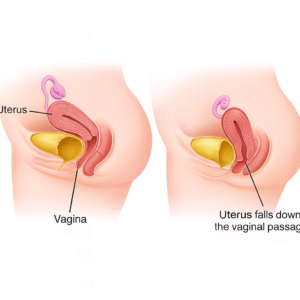
1. Childbirth
Normal delivery, long labor, or delivering a large baby can strain the pelvic floor muscles and tissues. This pressure may weaken support structures, making it easier for organs like the uterus or bladder to slip downward, leading to vaginal prolapse over time.
2. Aging & Menopause
As women age, pelvic muscles naturally lose strength and elasticity. After menopause, lower estrogen levels further weaken vaginal tissues. This combination increases the risk of vaginal prolapse, making it more common in women over 40 or those who have had multiple pregnancies.
3. Heavy Lifting
Lifting heavy weights or constant strain on the abdomen increases pressure inside the pelvic cavity. Over time, this extra pressure can stretch and weaken the supporting muscles and ligaments, allowing pelvic organs to descend and contribute to vaginal prolapse.
4. Chronic Cough or Constipation
Persistent coughing from conditions like asthma or bronchitis, and repeated straining during constipation, put continual downward pressure on the pelvic floor. This weakens the muscles and tissues supporting the bladder, uterus, and rectum, increasing prolapse risk.
5. Obesity
Excess body weight puts constant pressure on the pelvic floor, stretching and weakening muscles and connective tissues. Over time, this strain makes it easier for pelvic organs to descend, making overweight women more susceptible to vaginal prolapse.
At What Age Does Vaginal Prolapse Start?
Vaginal prolapse can affect women of any age, but it is most common in certain situations. It often happens after the age of 40, especially when the pelvic muscles naturally start to weaken. Women may also develop prolapse after childbirth, as delivering a baby can put a lot of pressure on the pelvic floor. Menopause is another stage when prolapse becomes more likely, due to lower estrogen levels weakening vaginal tissues.
Even younger women can experience prolapse, particularly if they lift heavy weights regularly or have frequent constipation, which adds extra pressure on the pelvic muscles. No matter your age, getting early treatment is very important. Consulting an experienced gynecologist like Dr. Deepali Mittal, the Best Gynecologist for Prolapse in Indore, can help manage symptoms effectively and prevent the condition from worsening.
Prolapse Symptoms: How to Know
Prolapse begins slowly. Most women first notice a mild pulling or pressure.
Common Symptoms of Vaginal Prolapse
Feeling of heaviness in the vagina
Many women feel a constant heaviness or pressure in the vaginal area, like something is pulling down.
Something “coming down” feeling
You might notice a bulge or a sensation that something inside the vagina is slipping out
Difficulty passing urine
Urination may become slow, frequent, or incomplete because the bladder is not fully supported.
Backache or pelvic discomfort
Walking may feel uncomfortable, especially when the prolapse causes pressure or rubbing in the vaginal area.
Discomfort during walking
Walking may feel uncomfortable, especially when the prolapse causes pressure or rubbing in the vaginal area.
Trouble during sexual activity
Pain or discomfort during intercourse is common, often due to organs pressing against the vaginal wall.
If you have these symptoms, it is important to get checked. Early treatment gives better recovery, especially when choosing Vaginal Prolapse Treatment in Indore from an experienced gynecologist.
Different Types of Vaginal Prolapse
There are different types of prolapse depending on which organ moves down.
- 1. Uterine Prolapse
- 2. Cystocele (Bladder Prolapse)
- 3. Rectocele (Rectum Prolapse)
- 4. Vaginal Vault Prolapse
Stages of Vaginal Prolapse
Doctors divide prolapse into four stages.
- Stage 1: Very mild; almost no symptoms
- Stage 2: Moderate; some pressure or heaviness
- Stage 3: Severe; organ coming near vaginal opening
- Stage 4: Complete prolapse; organ coming outside
Early treatment prevents the prolapse from becoming severe. Many women visit Dr. Deepali Mittal the Best gynecologist for prolapse in Indore to avoid reaching severe stages.
Impact of Vaginal Prolapse on Life & Intimacy
Vaginal prolapse can disturb many parts of life:
-
Walking becomes uncomfortable
Pelvic pressure makes walking painful and tiring for many women.
-
Sitting feels heavy
Sitting for long periods causes discomfort and a heavy sensation.
-
Exercise becomes difficult
Physical activity may increase pressure, making exercises uncomfortable or painful.
-
Urine may leak
Weak pelvic muscles can cause accidental urine leakage during daily activities.
-
Sex becomes painful or stressful
Prolapse can make sexual activity uncomfortable or emotionally stressful.
-
Confidence goes down
Discomfort and symptoms may lower self-esteem and emotional well-being.
But with proper Vaginal Prolapse Treatment in Indore, women can return to normal life quickly.
How Vaginal Prolapse Is Diagnosed
Visiting Dr. Deepali Mittal for vaginal prolapse is simple and comfortable. She performs a gentle pelvic exam, checks muscle strength, and discusses symptoms carefully. If needed, an ultrasound is done. This thorough approach ensures accurate diagnosis and the best personalized Vaginal Prolapse Treatment in Indore.
What happens during check-up:
- A gentle physical examination
- Pelvic floor strength test
- Discussion about symptoms
- Ultrasound if required
Treatment Options for Vaginal Prolapse
Vaginal prolapse can be treated with pelvic exercises, a supportive pessary, or surgery, depending on severity and individual needs.
-
Pelvic Floor Exercises (Kegels)
Strengthen weak pelvic muscles, helping mild prolapse improve naturally.
-
Vaginal Pessary
A small device supports pelvic organs, avoiding the need for surgery. -
Laparoscopic Surgery
Minimally invasive surgery to repair prolapse with faster recovery tim.
-
Reconstructive Surgery
For severe prolapse, surgery restores organs and long-term pelvic support.
Why Choose Dr. Deepali Mittal for Prolapse Treatment?
Dr. Deepali Mittal is a highly respected gynecologist in Indore with more than 26 years of experience.
Her expertise includes:
- Laparoscopic gynecological surgery
- Infertility management
- Pregnancy care & delivery
- Menstrual disorder treatment
- Endometriosis & fibroid treatment
- Hysterectomy & ovarian cyst surgery
She offers personalized and gentle care to every patient. Her calm nature makes women comfortable while discussing intimate issues like prolapse. She is widely known as the Best gynecologist for prolapse in Indore for her excellent results and advanced treatment skills.
FAQs
1. What is the best treatment for vaginal prolapse?
The best treatment depends on the severity of prolapse. Mild cases often improve with pelvic floor exercises that strengthen weak muscles. Moderate to severe prolapse usually requires medical intervention. Women in Indore seeking effective care can choose Vaginal Prolapse Treatment in Indore with Dr. Deepali Mittal. Her expertise ensures safe, personalized treatment, helping patients recover comfortably and regain normal pelvic function.
2. Can prolapse be treated without surgery?
Yes, many women benefit from non-surgical options. Pelvic floor exercises (Kegels) strengthen muscles, while a vaginal pessary provides support and reduces discomfort. Dr. Deepali Mittal, the Best gynecologist for prolapse in Indore, carefully assesses each case and recommends non-surgical methods when suitable. Early treatment can prevent progression and often avoids surgery, making recovery easier and safer for most women.
3. What are the early signs of prolapse?
Early symptoms include a feeling of heaviness, pressure, or bulging in the vagina. Some women notice mild discomfort while walking, sitting, or exercising. These signs are often subtle but should not be ignored. If you notice any of these symptoms, it’s important to consult the Best gynecologist for prolapse in Indore, Dr. Deepali Mittal, as early intervention can prevent worsening and provide effective Vaginal Prolapse Treatment in Indore.
4. Can I live a normal life after prolapse surgery?
Yes, most women return to their daily routines quickly after proper care. Surgery corrects the prolapse and restores pelvic support. Recovery includes following medical advice, avoiding heavy lifting, and doing recommended exercises. With guidance from Dr. Deepali Mittal, the Best gynecologist for prolapse in Indore, patients regain confidence, comfort, and normal activity levels, including work, exercise, and intimacy.
5. When should I see a doctor for prolapse?
You should consult a doctor as soon as symptoms start affecting daily life, such as heaviness, bulging, or difficulty with urination or bowel movements. Early medical attention allows for Vaginal Prolapse Treatment in Indore that is more effective and less invasive. Dr. Deepali Mittal, the Best gynecologist for prolapse in Indore, can provide personalized care and guide you through exercises, pessary use, or surgery if needed.