

Breast health is an essential part of women’s overall well-being. Many women notice changes in their breasts such as lumps, pain, or discharge. While most of these changes are harmless, some may indicate serious conditions. Consulting a Breast Disease Specialist in Indore ensures accurate diagnosis, timely treatment, and peace of mind.
Dr. Deepali Mittal, a highly experienced gynecologist in Indore, has over 13 years of experience in obstetrics and gynecology, specializing in breast health. Her compassionate approach, advanced skills, and personalized care make her a trusted expert for women seeking reliable breast disease management.
What are Breast Diseases?
Breast diseases are conditions that affect the breast tissue. They can range from minor benign lumps to serious malignant tumors. It is important to understand the types of breast diseases so that women can seek timely care.
- Breast diseases can be benign or malignant.
- Approximately 80% of breast lumps are benign, meaning they are not cancer.
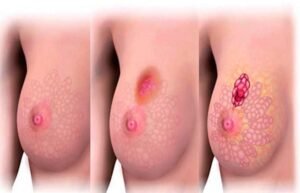
- Common benign conditions include: fibrocystic changes, cysts, fibroadenomas, intraductal papillomas, blocked milk ducts.
- Symptoms like lumps, nipple discharge, or pain may indicate serious conditions that require attention.
Common Causes and Risk Factors
Understanding what leads to breast diseases helps women stay alert, identify early changes, and protect their health. Many conditions develop due to hormonal shifts, aging, genetics, infections, or lifestyle habits. Early evaluation by a Breast Disease Specialist in Indore is important because knowing your personal risk can guide better prevention and timely treatment.
Breast health is influenced by several factors—some can be controlled, while others cannot. Recognizing these causes gives women the power to take proactive steps to maintain healthy breasts.
Major Causes and Risk Factors
• Hormonal fluctuations (~50%)
Changes during menstruation, pregnancy, or menopause can affect breast tissue, making it more sensitive, lumpy, or painful. These hormonal shifts are one of the most common reasons women experience breast discomfort or temporary changes.
• Age-related tissue changes (~20%)
As women age, breast tissue naturally becomes denser, harder, or more fibrous. These changes may lead to benign lumps or discomfort and sometimes make it harder to detect abnormalities without proper screening.
• Genetic predisposition (~5–7%)
A family history of breast cancer or benign breast conditions increases the risk. Women with genetic factors may need earlier or more frequent medical check-ups to stay safe.
• Infections (~10%)
Bacterial infections, especially during breastfeeding, can cause swelling, redness, warmth, or pain in the breast. These infections may require timely treatment to prevent complications.
• Lifestyle factors (~20%)
Obesity, poor diet, smoking, alcohol use, and lack of physical activity can affect hormones and breast tissue structure, increasing the risk of both benign and serious breast conditions.
Symptoms of Breast Diseases
Breast diseases can present with a wide range of symptoms, and recognizing them early is crucial for maintaining breast health. Many women overlook early signs because they seem minor, but these changes can indicate underlying issues that require medical evaluation. Identifying these symptoms early and consulting a breast disease specialist in indore ensures timely diagnosis and better treatment outcomes.
Often, symptoms vary depending on whether the condition is benign (non-cancerous) or more serious. Some changes may appear gradually, while others develop suddenly. Being aware of these common symptoms helps women take proactive steps toward early care and accurate assessment.
1. Breast Lumps or Thickening
The most common symptom of breast diseases is the presence of a lump or an area of thickened tissue. While most lumps are benign, such as fibroadenomas or cysts, they should still be evaluated by a breast specialist to rule out serious conditions. Lumps may feel soft, firm, or rubbery and can occur in any part of the breast.
2. Breast Pain (Mastalgia)
Breast pain can be cyclical—linked to hormonal changes—or non-cyclical, which may indicate infections, cysts, or other issues. Persistent or severe breast pain should not be ignored, especially when it affects daily activities. Many women experience discomfort during menstruation, but continuous pain requires proper medical guidance.
3. Nipple Discharge
Any type of nipple discharge—watery, milky, yellowish, or bloody—should be investigated. While some discharge is normal, such as during pregnancy, abnormal discharge may signal infections, duct issues, or hormonal imbalance. Bloody or clear discharge particularly needs immediate evaluation.
4. Visible Breast Skin Changes
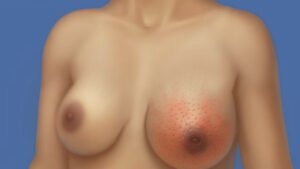
Skin dimpling, redness, itching, peeling, or a texture resembling an orange peel can be signs of inflammation or more serious conditions. Conditions like mastitis or inflammatory breast cancer may show such visible changes, making early examination essential.
5. Changes in Breast Size or Shape
Sudden swelling, shrinking, or changes in breast contour can indicate underlying issues. These changes may occur due to infections, cyst formation, injury, or hormonal fluctuations. Any noticeable difference between both breasts should be checked by a breast disease specialist in indore.
6. Nipple Retraction or Inversion
If the nipple starts turning inward or appears pulled in, it could be due to tissue changes inside the breast. While some women are born with inverted nipples, newly developed retraction requires attention.
Common Breast Conditions
Women may experience different types of breast conditions. Awareness of these helps in understanding treatment options.
Benign breast conditions are very common. They may cause discomfort or concern but are rarely cancerous. Early consultation with a Breast Disease Specialist in Indore ensures proper monitoring or treatment.
- Fibrocystic Breast Changes: Lumpy, tender breasts, often due to hormones; swelling may occur before periods.
- Breast Cysts: Fluid-filled sacs that may be tender but usually harmless.
- Fibroadenomas: Firm, rubbery, movable lumps, common in younger women; require periodic monitoring.
- Intraductal Papillomas: Small growths in milk ducts that may cause nipple discharge; usually benign but need evaluation.
- Breast Pain: Can be cyclical or non-cyclical; persistent pain should be checked.
Diagnosis by Dr. Deepali Mittal
Accurate diagnosis is the foundation of effective breast disease treatment. As a leading Breast Disease Specialist in Indore, Dr. Deepali Mittal follows a structured and compassionate approach to help patients understand their condition with clarity and confidence. Her focus is not only on identifying the problem but also on reducing fear and ensuring comfort throughout the process.
Dr. Mittal combines clinical experience with advanced technology to detect breast abnormalities early. Her diagnostic process is systematic and patient-friendly.
Key Diagnostic Methods Used
- Clinical Breast Examination
A thorough hands-on evaluation of breast tissue, skin texture, and nearby lymph nodes to detect visible or palpable changes. - Ultrasound & Mammography
These imaging tests help identify cysts, solid lumps, and structural changes inside the breast. Mammography is especially useful for women above 40. - MRI Screening
Recommended for women with dense breast tissue or those at high risk due to family history. MRI provides highly detailed images for deeper insights. - Biopsy
When a lump or suspicious area is detected, a small tissue sample is taken to determine whether it is benign or malignant. This step provides a definitive diagnosis.
Dr. Mittal’s careful evaluation and personalized guidance help women feel supported and informed at every stage of their breast health journey.
Treatment Options for Breast Diseases
Treatment for breast diseases depends on the type of condition, its severity, and the patient’s overall health. A Breast Disease Specialist in Indore carefully evaluates each case to choose the safest and most effective plan. Many breast issues don’t require surgery—some can be managed with regular monitoring, medications, or simple minimally invasive procedures.
Advanced techniques ensure faster recovery, less discomfort, and better long-term results. Women from nearby areas like Vijay Nagar and Scheme No 74C can easily access expert breast care and timely treatment.
1. Observation (Watchful Monitoring)
Many benign breast lumps, such as fibroadenomas or simple cysts, do not need immediate treatment. Regular follow-ups and imaging help track any changes over time.
2. Medication
Medications may be prescribed for breast infections, hormonal imbalances, or persistent breast pain. Antibiotics, hormonal therapy, or anti-inflammatory drugs are commonly used depending on the condition.
3. Minimally Invasive Procedures
Minimally invasive approaches offer effective treatment without major surgery. These include:
- Aspiration or drainage of cysts
- Removal of small benign lumps
These procedures are quick, safe, and typically require minimal recovery time.
4. Surgical Treatment
When lumps are large, painful, or suspicious, surgery may be recommended. Options include:
- Lumpectomy: Removing the lump while preserving breast tissue
- Duct removal: For persistent nipple discharge or duct abnormalities
- Mastectomy: Reserved for extensive disease or high-risk cases
Preventive Measures
Prevention is key to maintaining breast health and reducing risks.
Simple lifestyle adjustments and regular check-ups can make a significant difference in early detection and overall breast health.
- Perform monthly self-exams to detect changes early.
- Maintain a balanced diet rich in fruits, vegetables, and fiber.
- Engage in regular physical activity to maintain healthy weight.
- Avoid smoking and limit alcohol consumption.
- Schedule regular check-ups with a Breast Disease Specialist in Indore.
Patient Story
Dr. Mittal combines experience, advanced techniques, and compassion in her practice.
- Over 13 years of experience in obstetrics, gynecology, and breast health.
- Expertise in minimally invasive procedures and modern imaging.
- Patient-centered care with clear explanations.
- Individualized treatment plans.
- Recognized as a leading Breast Disease Specialist in Indore and gynecologist in Indore.
FAQs About Breast Diseases
Q1: Are all breast lumps cancerous?
No, around 80% of breast lumps are benign, such as cysts or fibroadenomas. A Breast Disease Specialist in Indore can evaluate and recommend the right treatment, ensuring accurate diagnosis and peace of mind.
Q2: When should I consult a doctor?
Any persistent lump, nipple discharge, pain, or skin changes like dimpling or redness should be evaluated. Consulting a gynecologist in Indore or a Breast Disease Specialist in Indore helps detect issues early.
Q3: Can men develop breast diseases?
Yes, men can experience breast lumps, tenderness, or gynecomastia. Early evaluation by a Breast Disease Specialist in Indore ensures proper diagnosis and treatment for male breast conditions.
Q4: How often should women be screened?
Women over 40 or with risk factors such as family history should undergo annual check-ups. Younger women with risk factors may need periodic imaging. Regular screening under a gynecologist in Indore or Breast Disease Specialist in Indore aids early detection.
Q5: Can lifestyle changes prevent breast disease?
Yes, maintaining a healthy lifestyle, including regular exercise, balanced diet, avoiding smoking and alcohol, and monthly self-exams, helps reduce risk. A Breast Disease Specialist in Indore can provide guidance on preventive care.