

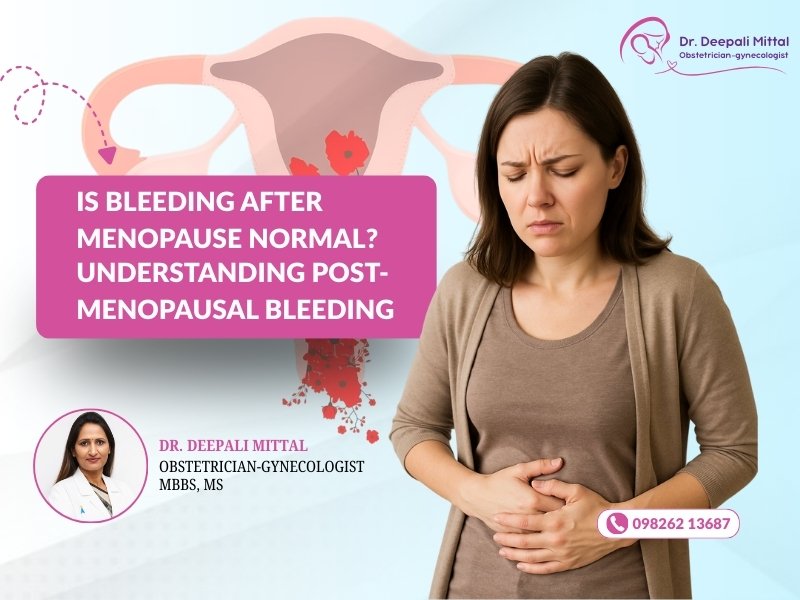
Post-menopausal bleeding is any vaginal bleeding that occurs after a woman has stopped having periods for at least 12 months. While many women may think that some bleeding is harmless, it is never considered normal after menopause. Even a small amount of blood may indicate a condition that needs medical evaluation. Early consultation with a Gynecologist in Indore, such as Dr. Deepali Mittal, ensures proper diagnosis and effective Post menopausal Bleeding Treatment in Indore.
Understanding the causes, symptoms, and treatment options helps women take timely action and maintain reproductive and overall health.
What is Post-Menopausal Bleeding?
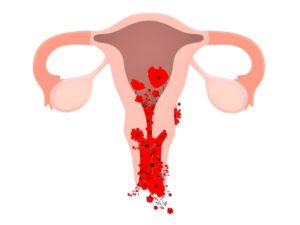
Post-menopausal bleeding refers to any vaginal bleeding after menopause. Menopause is officially defined as the time when a woman has not had a menstrual period for 12 consecutive months. Any bleeding beyond this period is considered abnormal.
This bleeding can vary in intensity:
- Spotting: Light bleeding or tiny spots of blood
- Moderate bleeding: Enough to notice on underwear or pads
- Heavy bleeding: Similar to a regular period
Even small amounts of bleeding require evaluation. Consulting a Gynecologist in Indore such as Dr. Deepali Mittal ensures early detection and timely Post menopausal Bleeding Treatment in Indore.
Why Post-Menopausal Bleeding Matters
Ignoring post-menopausal bleeding can lead to delayed diagnosis of serious conditions like endometrial cancer. Early evaluation is essential because:
- It helps rule out cancer or precancerous changes
- Enables timely treatment with better outcomes
- Prevents complications such as anemia or infection
- Reduces anxiety by understanding the cause
Women must understand that any post-menopausal bleeding is a warning sign, not a normal part of aging.
Causes of Post-Menopausal Bleeding
Post-menopausal bleeding can occur due to a variety of reasons, ranging from mild and harmless conditions to more serious health issues. Identifying the cause is essential for timely and effective Post menopausal Bleeding Treatment in Indore. Early evaluation by a Gynecologist in Indore, such as Dr. Deepali Mittal, ensures proper care and prevents complications.
Hormonal Imbalance
After menopause, the levels of estrogen and progesterone naturally decline. Sometimes, residual fluctuations in these hormones can lead to minor spotting or light bleeding. In such cases, hormonal therapy or careful monitoring can help regulate the changes and prevent further bleeding.
Endometrial Atrophy
With age, the lining of the uterus (endometrium) becomes thin and fragile. This condition, known as endometrial atrophy, can cause bleeding due to:
- Minor trauma
- Sexual activity
- Vaginal infections
Endometrial atrophy is a common cause of post-menopausal bleeding and can often be managed with local estrogen therapy or regular monitoring under the guidance of a specialist.
Uterine or Cervical Polyps
Polyps are small, usually benign growths in the uterus or cervix. While most polyps are harmless, they can lead to irregular bleeding or spotting. Removal of polyps is often recommended to rule out any risk of cancer and provide permanent relief. A Gynecologist in Indore like Dr. Deepali Mittal can safely perform these procedures as part of comprehensive Post menopausal Bleeding Treatment in Indore.
Endometrial Hyperplasia
Endometrial hyperplasia occurs when the uterine lining becomes abnormally thick, often due to excess estrogen. Women with this condition may notice:
- Irregular bleeding
- Spotting between periods (if transitioning to menopause)
- Heavier than usual bleeding
Since endometrial hyperplasia can be precancerous, early evaluation is important. A Gynecologist in Indore, such as Dr. Deepali Mittal, can provide safe and effective Post menopausal Bleeding Treatment in Indore tailored to each patient.
Endometrial or Uterine Cancer
Although less common, cancer of the uterus or endometrium can present as post-menopausal bleeding. Warning signs include:
- Persistent or recurrent bleeding
- Pelvic pain or a feeling of pressure
- Unexplained weight loss or fatigue
Early detection significantly improves outcomes. Timely consultation with a Gynecologist in Indore ensures proper diagnosis and prompt Post menopausal Bleeding Treatment in Indore, which may include surgery, medication, or minimally invasive procedures depending on the stage and severity.
Symptoms of Post-Menopausal Bleeding
Recognizing symptoms is key to timely diagnosis. Symptoms may include:
- Vaginal bleeding or spotting – most common symptom
- Blood-stained discharge – sometimes mixed with mucus
- Pelvic pain or discomfort – mild to severe
- Sudden weight changes or fatigue – can accompany serious conditions
- Unusual odor or infection-like discharge – indicates infection
Even minor bleeding after menopause warrants evaluation by a Gynecologist in Indore to rule out serious causes and start Post menopausal Bleeding Treatment in Indore.
Risk Factors for Post-Menopausal Bleeding
Certain factors increase the likelihood of post-menopausal bleeding:
- Age over 50 years
- Hormonal therapy or irregular use of estrogen
- Obesity or metabolic syndrome
- Family history of endometrial or breast cancer
- Previous uterine polyps or fibroids
Being aware of these factors helps women monitor symptoms and seek early Post menopausal Bleeding Treatment in Indore.
When to See a Gynecologist
Women should consult a doctor immediately if they notice:
- Any vaginal bleeding after menopause
- Blood-stained discharge
- Pelvic pain or pressure
- Unexplained fatigue or weakness
Early consultation with a Gynecologist in Indore, like Dr. Deepali Mittal, allows accurate diagnosis and timely Post menopausal Bleeding Treatment in Indore.
Diagnostic Tests
A gynecologist may recommend several tests to determine the cause:
Physical Examination
A gynecological exam can reveal visible problems such as polyps, atrophy, or infection.
Ultrasound
Transvaginal ultrasound is a non-invasive imaging method that measures uterine lining thickness and identifies growths.
Endometrial Biopsy
A small tissue sample from the uterine lining is taken to check for cancerous or precancerous changes.
Hysteroscopy
A thin camera is inserted into the uterus to directly view the lining and remove polyps if present.
Blood Tests
Hormone levels and other tests may be conducted to evaluate underlying causes.
These investigations guide personalized Post menopausal Bleeding Treatment in Indore.
Treatment Options
Treatment varies depending on the underlying cause:
Observation
Minor hormonal bleeding may only require careful monitoring with regular check-ups.
Medications
- Hormonal therapy for low estrogen or progesterone
- Antibiotics for infections
- Anti-inflammatory drugs for pain
Minimally Invasive Procedures
- Polyp removal
- Small fibroid excision
Surgery
- Dilation and curettage (D&C) for tissue removal
- Hysterectomy for severe cases or cancer
Consulting a Gynecologist in Indore, such as Dr. Deepali Mittal, ensures safe and effective Post menopausal Bleeding Treatment in Indore.
Lifestyle and Preventive Measures
- Maintain a healthy weight and balanced diet
- Exercise regularly to improve circulation and hormone balance
- Avoid smoking and limit alcohol consumption
- Report any bleeding immediately
- Schedule annual gynecological check-ups
Lifestyle adjustments help maintain long-term uterine health and prevent complications.
Real Patient Story
This story highlights the importance of timely Post menopausal Bleeding Treatment in Indore.
Frequently Asked Questions
Q1: Is bleeding after menopause normal?
No. Any bleeding after menopause is considered abnormal and should be evaluated by a specialist. Early consultation helps ensure timely Post menopausal Bleeding Treatment and better outcomes.
Q2: Can lifestyle changes prevent post-menopausal bleeding?
Healthy habits like balanced nutrition, regular exercise, and weight control support overall health, but they cannot replace medical evaluation or proper Postmenopausal Bleeding Treatment when bleeding occurs.
Q3: Does post-menopausal bleeding always mean cancer?
No. Most cases are caused by non-cancerous conditions. However, early diagnosis by a Gynecologist is essential to rule out serious causes.
Q4: How is post-menopausal bleeding treated?
Treatment depends on the cause and may include observation, medications, minimally invasive procedures, or surgery as part of personalized Postmenopausal Bleeding Treatment in Indore.
Q5: How often should post-menopausal women visit a gynecologist?
Post-menopausal women should have a gynecological check-up at least once a year, or sooner if any symptoms like bleeding appear, under the care of a Gynecologist in Indore.