


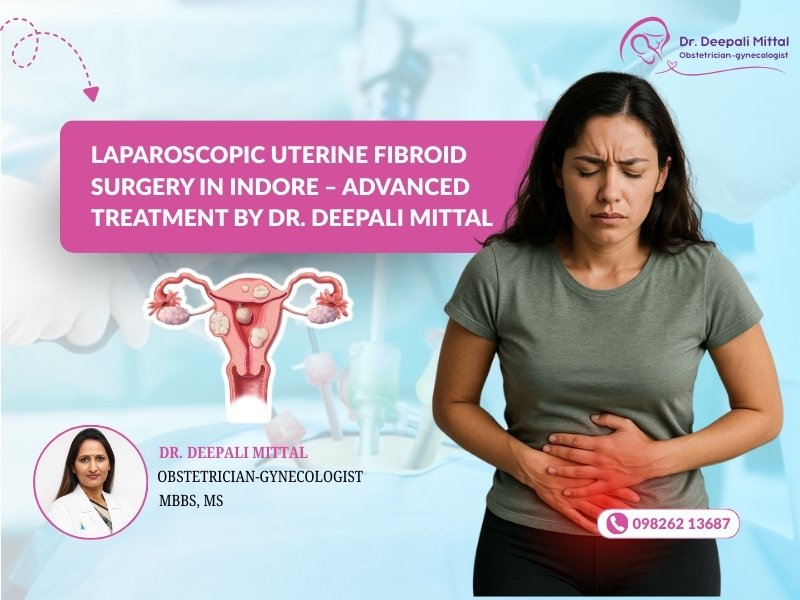
Uterine fibroids are one of the most common gynecological conditions affecting women. Research shows that around 40–60% of women may develop fibroids during their reproductive years, although many remain unaware of them because symptoms may be mild or absent. However, when fibroids grow larger, they can cause heavy periods, pelvic pain, pressure in the lower abdomen, or fertility issues.
Fortunately, modern gynecology offers advanced treatment options that are safer and more comfortable for patients. One of the most effective and minimally invasive procedures available today is Laparoscopic Uterine Fibroid Surgery in Indore. This technique allows surgeons to remove fibroids through small incisions instead of a large surgical cut, which means less pain and faster recovery.
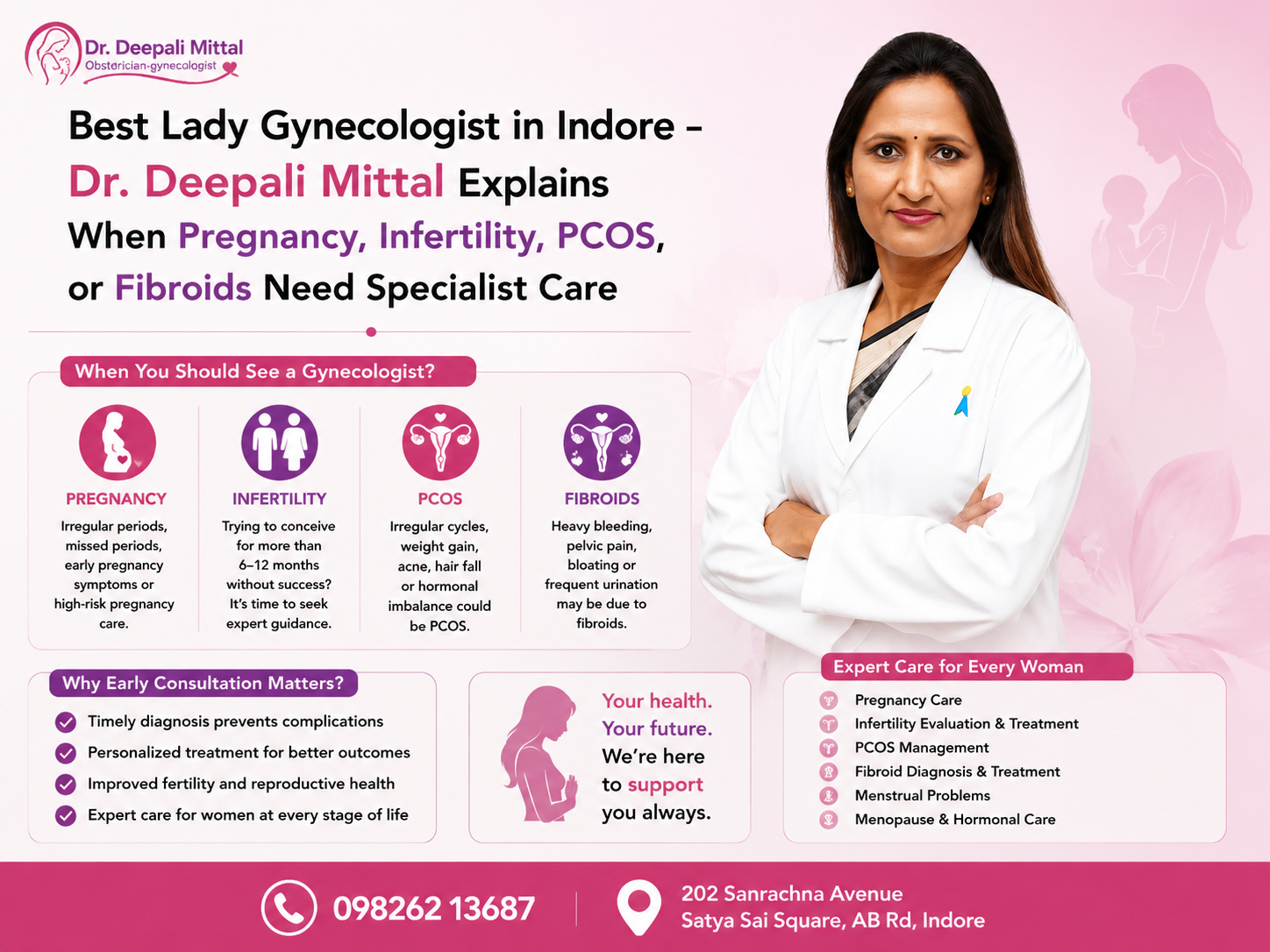
Women looking for expert fibroid treatment often consult Dr. Deepali Mittal Gynae Laparoscopic Surgeon in Indore, who is known for providing modern surgical care with a patient-focused approach. Many women from Vijay Nagar seek her expertise for advanced laparoscopic treatment.
This article explains uterine fibroids, their causes, symptoms, treatment options, and recovery in simple language so that anyone can easily understand the condition and the available solutions.
Understanding Uterine Fibroids
Uterine fibroids are non-cancerous growths that develop in or around the uterus. Doctors also call them leiomyomas or myomas. These growths originate from the muscle layer of the uterus and can vary greatly in size.
Some fibroids may be as small as a seed, while others can grow as large as a grapefruit. According to medical studies, nearly 50% of women above the age of 35 may develop fibroids, although not all require treatment.
Fibroids can grow in different locations inside the uterus:
Intramural Fibroids
These grow inside the muscular wall of the uterus and are the most common type.
Submucosal Fibroids
These grow inside the uterine cavity and may cause heavy bleeding or fertility problems.
Subserosal Fibroids
These develop on the outer surface of the uterus and may press on nearby organs.
When fibroids become large or start causing significant symptoms, doctors may recommend Laparoscopic Uterine Fibroid Surgery in Indore to remove them safely while preserving the uterus.
Common Symptoms of Uterine Fibroids
Many women with fibroids experience no symptoms. However, others may notice signs that affect their daily life and overall health.
Common symptoms include:
- Heavy or prolonged menstrual bleeding (seen in about 30% of patients)
- Pelvic pressure or pelvic pain
- Lower back discomfort
- Frequent urination caused by pressure on the bladder
- Pain during intercourse
- Abdominal swelling or bloating
- Difficulty becoming pregnant in 5–10% of cases
These symptoms should not be ignored. Early consultation with the Best Gynecologist in Indore helps diagnose fibroids and determine the best treatment approach.
Causes and Risk Factors of Uterine Fibroids
The exact cause of fibroids is still not fully understood. However, medical research has identified several factors that increase the likelihood of developing them.
Hormonal Factors (Approximately 60%)
Hormones such as estrogen and progesterone play a major role in the growth of fibroids. These hormones stimulate the uterine lining during the menstrual cycle and may also contribute to fibroid formation.
Genetic Factors (Around 20%)
Women with a family history of fibroids are more likely to develop them. If a mother or sister has fibroids, the risk increases.
Age and Reproductive Years (About 15%)
Fibroids are most commonly diagnosed between the ages of 30 and 50, when hormone levels are highest.
Lifestyle Factors (5–10%)
Obesity, lack of physical activity, and unhealthy dietary habits may contribute to the development of fibroids.
When symptoms become severe or fibroids grow significantly, doctors may suggest Laparoscopic Uterine Fibroid Surgery in Indore as an effective treatment option.
When Is Surgery Needed for Fibroids?
Not all fibroids require surgery. In fact, almost 50% of small fibroids can be managed through regular monitoring. However, surgical treatment becomes necessary when fibroids begin to affect a woman’s health or quality of life.
Doctors may recommend surgery if:
- Menstrual bleeding becomes excessively heavy
- Persistent pelvic pain interferes with daily activities
- Fibroids grow rapidly in size
- Infertility problems are linked to fibroids
- The uterus becomes enlarged due to multiple fibroids
A detailed evaluation by the Best Gynecologist in Indore helps determine whether surgery is required.
What Is Laparoscopic Uterine Fibroid Surgery?
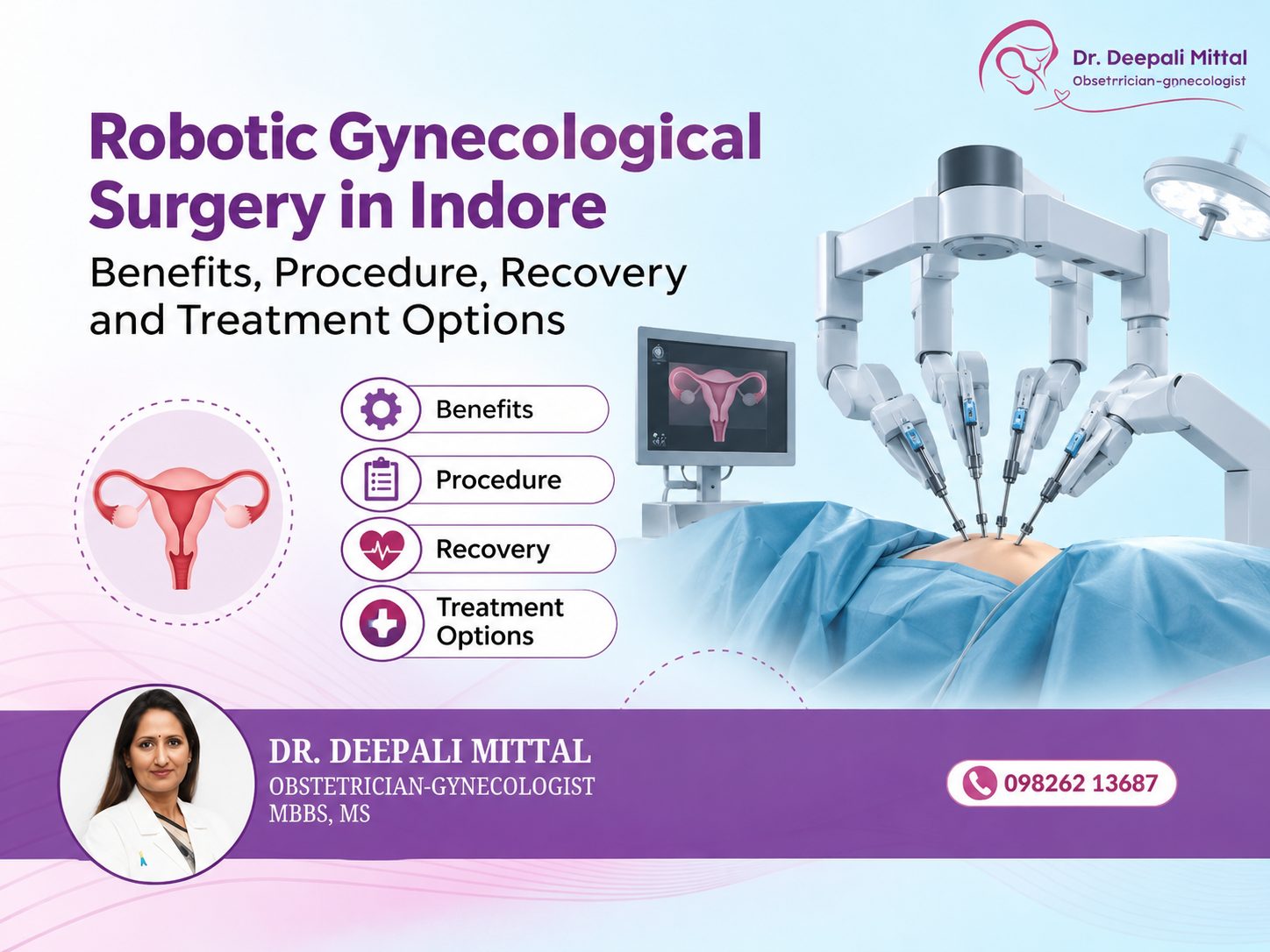
Laparoscopic Uterine Fibroid Surgery in Indore is a minimally invasive surgical procedure used to remove fibroids while preserving the uterus.
Unlike traditional open surgery, which requires a large incision, laparoscopic surgery involves small cuts of about 0.5–1 cm in the abdomen. Through one of these small openings, a thin instrument called a laparoscope is inserted.
The laparoscope contains a tiny camera that displays images of the uterus on a monitor. This allows the surgeon to see the fibroids clearly and remove them with precision.
This modern technique is widely preferred because it reduces surgical trauma and speeds up recovery. Women from areas such as Scheme No 74C often choose this advanced procedure for faster healing and minimal scarring.
Step-by-Step Procedure of Laparoscopic Fibroid Surgery
Understanding the surgical process can help patients feel more comfortable before the procedure.
1. Pre-Surgery Evaluation
Before the surgery, doctors conduct several diagnostic tests to assess the condition. These may include:
- Pelvic ultrasound
- Blood tests
- MRI scans in complex cases
These tests help determine the number, size, and location of fibroids.
2. Anesthesia
The procedure is performed under general anesthesia, ensuring that the patient remains asleep and comfortable during surgery.
3. Small Incisions
The surgeon makes three to four small incisions in the abdomen.
4. Insertion of the Laparoscope
A laparoscope with a high-resolution camera is inserted through one incision, providing a clear view of the uterus.
5. Removal of Fibroids
Using specialized instruments, the surgeon carefully removes fibroids while preserving the healthy uterine tissue.
6. Closing the Incisions
After the fibroids are removed, the small incisions are closed with stitches or surgical glue.
The entire procedure typically takes 60 to 120 minutes, depending on the number and size of fibroids.
Benefits of Laparoscopic Fibroid Surgery
Laparoscopic surgery has many advantages compared with traditional open surgery.
Smaller Incisions
Tiny incisions lead to minimal scarring and better cosmetic results.
Less Post-Surgery Pain
Patients usually experience 40–50% less pain compared with open surgery.
Faster Recovery
Most women can return to normal activities within two to three weeks.
Reduced Blood Loss
The precise surgical technique helps minimize bleeding during the procedure.
Shorter Hospital Stay
Many patients are discharged within 24–48 hours after surgery.
Because of these benefits, Laparoscopic Uterine Fibroid Surgery in Indore has become a preferred option for treating symptomatic fibroids.
Recovery After Laparoscopic Fibroid Surgery
Recovery after laparoscopic surgery is generally faster than traditional surgery. However, proper care is essential for smooth healing.
Hospital Stay
Most patients remain in the hospital for one to two days after surgery.
First Week After Surgery
Patients may experience mild abdominal discomfort, fatigue, or bloating. These symptoms usually improve quickly.
Returning to Work
Many women can resume light activities within 7–10 days.
Complete Recovery
Full recovery generally takes four to six weeks, depending on individual health and healing.
Following medical advice carefully ensures successful recovery after Laparoscopic Uterine Fibroid Surgery in Indore.
Tips for Faster Recovery
Patients can support healing and reduce complications by following simple recovery guidelines.
Helpful tips include:
- Take medications exactly as prescribed
- Avoid lifting heavy objects for 3–4 weeks
- Maintain a nutritious diet rich in iron and protein
- Stay hydrated by drinking enough water
- Take short walks to improve blood circulation
- Attend all follow-up appointments
These steps help the body recover faster and maintain long-term reproductive health.
Why Choose Dr. Deepali Mittal for Fibroid Treatment?
Women looking for advanced fibroid care often trust Dr. Deepali Mittal Gynae Laparoscopic Surgeon in Indore because of her experience and commitment to patient care.
Her approach focuses on:
- Advanced laparoscopic surgical techniques
- Accurate diagnosis with modern technology
- Personalized treatment plans for each patient
- Compassionate and supportive care
As the Best Gynecologist in Indore, she aims to provide safe and effective Laparoscopic Uterine Fibroid Surgery in Indore, helping women regain their health and confidence.
When Should You Consult a Gynecologist?
You should seek medical advice if you experience:
- Very heavy menstrual bleeding
- Persistent pelvic pain
- Frequent urination due to pelvic pressure
- Abdominal swelling or discomfort
- Difficulty conceiving
Early diagnosis and treatment significantly improve outcomes and prevent complications.