


Endometriosis is one of the most common yet often overlooked gynecological conditions affecting women during their reproductive years. Many women live with severe menstrual pain, pelvic discomfort, or infertility for years without realizing that these symptoms may be caused by endometriosis. Early diagnosis and timely treatment can help relieve pain, preserve fertility, and improve quality of life.
If you are looking for Endometriosis Treatment in Indore, understanding the early symptoms and knowing when to seek medical care can help prevent complications.
What Is Endometriosis?
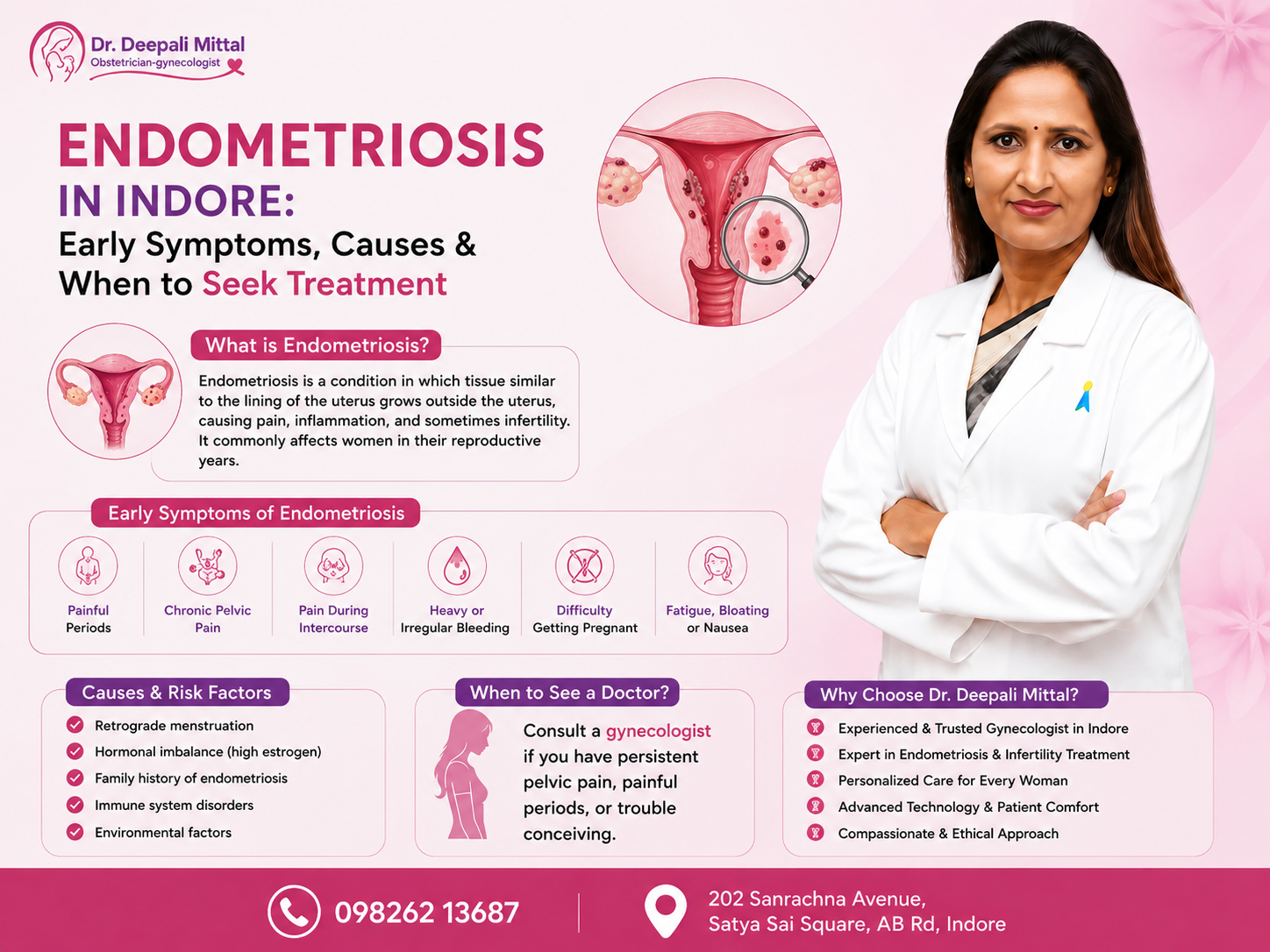
Endometriosis is a condition in which tissue similar to the lining of the uterus (endometrium) grows outside the uterus. These abnormal tissues may develop on the ovaries, fallopian tubes, pelvic lining, bladder, bowel, or other nearby organs.
Just like the uterine lining, this tissue responds to hormonal changes during each menstrual cycle. However, because it has no way to leave the body, it can lead to inflammation, internal bleeding, scar tissue formation, adhesions, and chronic pelvic pain.
Many women mistake these symptoms for normal menstrual discomfort, which often delays diagnosis for several years.
Early Symptoms of Endometriosis
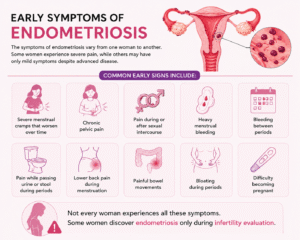
The symptoms of endometriosis vary from one woman to another. Some women experience severe pain, while others may have only mild symptoms despite advanced disease.
Common early signs include:
- Severe menstrual cramps that worsen over time
- Chronic pelvic pain
- Pain during or after sexual intercourse
- Heavy menstrual bleeding
- Bleeding between periods
- Pain while passing urine or stool during periods
- Lower back pain during menstruation
- Painful bowel movements
- Bloating during periods
- Difficulty becoming pregnant
Not every woman experiences all these symptoms. Some women discover endometriosis only during infertility evaluation.
What Causes Endometriosis?
Although the exact cause is still not fully understood, several factors may increase the risk of developing endometriosis.
Possible causes include:
- Retrograde menstruation
- Genetic or family history
- Hormonal imbalance
- Immune system dysfunction
- Surgical scars after cesarean section or pelvic surgery
- Transformation of abdominal cells into endometrial-like tissue
Women with a mother or sister diagnosed with endometriosis have a higher chance of developing the condition themselves.
Who Is at Higher Risk?
Certain women may have an increased risk of endometriosis, including:
- Women between 25–40 years of age
- Women with a family history of endometriosis
- Women with short menstrual cycles
- Women with prolonged menstrual bleeding
- Women who have never been pregnant
- Women with infertility
- Women with congenital abnormalities affecting menstrual flow
Recognizing these risk factors can help women seek evaluation before symptoms become severe.
How Does Endometriosis Affect Fertility?
Endometriosis is one of the leading causes of female infertility. The condition may affect fertility by:
- Blocking the fallopian tubes
- Damaging ovarian tissue
- Reducing egg quality
- Causing pelvic adhesions
- Interfering with fertilization
- Creating chronic inflammation within the pelvis
However, many women with endometriosis are still able to conceive naturally or with appropriate fertility treatment after timely diagnosis.
When Should You See a Gynecologist?
Many women ignore pelvic pain, believing painful periods are normal. Persistent or worsening symptoms should never be ignored.
Consult a gynecologist if you experience:
- Severe menstrual pain every month
- Pelvic pain lasting beyond periods
- Heavy or prolonged bleeding
- Pain during intercourse
- Difficulty becoming pregnant
- Chronic lower back pain during menstruation
- Pain while passing urine or stool during periods
- Recurring ovarian cysts
Early medical evaluation can help prevent disease progression and improve long-term reproductive health.
How Is Endometriosis Diagnosed?
Diagnosing endometriosis can sometimes be challenging because its symptoms often resemble those of other gynecological or digestive conditions. A detailed medical history, physical examination, and appropriate investigations help confirm the diagnosis and determine the severity of the disease.
The evaluation may include:
Medical History
Your gynecologist will discuss:
- Menstrual cycle pattern
- Pelvic pain history
- Fertility concerns
- Family history of endometriosis
- Previous surgeries
- Associated urinary or bowel symptoms
Pelvic Examination
A pelvic examination may help identify:
- Tenderness in the pelvic region
- Enlarged ovaries
- Pelvic nodules
- Restricted pelvic organ movement due to adhesions
Ultrasound Scan
A pelvic ultrasound is commonly recommended to detect:
- Ovarian endometriotic cysts (Endometriomas)
- Pelvic masses
- Associated gynecological abnormalities
Although ultrasound cannot identify every case of endometriosis, it is an important first investigation.
MRI Scan
MRI provides a more detailed assessment, particularly in women with deep infiltrating endometriosis or extensive pelvic disease.
Diagnostic Laparoscopy
Laparoscopy is considered the gold standard for diagnosing endometriosis. Through a small incision, a camera is inserted into the abdomen to directly visualize endometrial tissue. During the same procedure, abnormal tissue may also be removed when appropriate.
Stages of Endometriosis
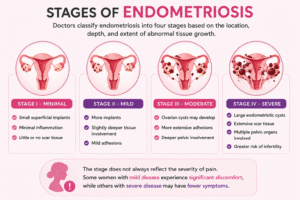
Doctors classify endometriosis into four stages based on the location, depth, and extent of abnormal tissue growth.
The stage does not always reflect the severity of pain. Some women with mild disease experience significant discomfort, while others with severe disease may have fewer symptoms.
Treatment Options for Endometriosis in Indore
The treatment plan depends on:
- Age
- Severity of symptoms
- Extent of disease
- Fertility goals
- Overall reproductive health
Lifestyle Modifications
Healthy lifestyle changes can support medical treatment and improve overall well-being.
These may include:
- Regular physical activity
- Anti-inflammatory diet
- Maintaining a healthy body weight
- Adequate sleep
- Stress management techniques
Pain Management
For women with mild symptoms, medications may help relieve pain and improve day-to-day comfort.
Treatment is always individualized according to symptom severity and overall health.
Hormonal Therapy
Hormonal treatment may help by:
- Reducing menstrual flow
- Slowing the growth of endometrial tissue
- Relieving pelvic pain
- Preventing disease progression in selected patients
The most suitable option depends on each woman’s symptoms, age, and future pregnancy plans.
Fertility Management
Women planning pregnancy may require specialized fertility evaluation and treatment.
Depending on individual circumstances, management may include:
- Ovulation assessment
- Fertility counseling
- Assisted reproductive techniques when indicated
- Personalized pregnancy planning
Timely fertility management can improve the chances of conception for many women with endometriosis.
Why Choose Dr. Deepali Mittal for Endometriosis Treatment in Indore?
Choosing the right gynecologist is one of the most important decisions when managing endometriosis. Dr. Deepali Mittal has over 26 years of experience in treating complex gynecological conditions and is known for providing comprehensive Endometriosis Treatment in Indore with a patient-focused approach.
She has successfully managed women suffering from endometriosis, PCOS, fibroids, ovarian cysts, infertility, and menstrual disorders. Her expertise in advanced laparoscopic gynecological surgery helps many patients experience less pain, faster recovery, and improved reproductive health.
Every treatment plan is personalized according to the patient’s symptoms, age, future pregnancy plans, and overall health, ensuring long-term management rather than temporary symptom relief.
Women choose Dr. Deepali Mittal for:
- Expert Endometriosis Treatment in Indore
- 26+ years of experience in Obstetrics & Gynecology
- Advanced laparoscopic surgery for endometriosis
- Personalized treatment plans
- Fertility-preserving approach
- Comprehensive women’s healthcare
- Compassionate and patient-centered care
Lifestyle Tips After Endometriosis Treatment in Indore
Medical treatment works best when combined with healthy lifestyle habits. Women undergoing Endometriosis Treatment in Indore should also focus on improving their daily routine to reduce symptoms and support hormonal health.
Healthy lifestyle recommendations include:
- Eat a balanced anti-inflammatory diet
- Exercise regularly according to your comfort
- Maintain a healthy body weight
- Get adequate sleep every night
- Practice stress-management techniques
- Attend regular gynecological follow-ups
- Never ignore worsening pelvic pain or heavy periods
These healthy habits can improve overall well-being and support long-term management of endometriosis.
Frequently Asked Questions About Endometriosis Treatment in Indore
Can Endometriosis Treatment in Indore cure the disease completely?
Endometriosis is generally considered a long-term condition. However, timely Endometriosis Treatment in Indore can effectively control symptoms, reduce pain, improve fertility, and prevent disease progression.
Is severe period pain always caused by endometriosis?
No. However, severe or worsening menstrual pain should always be evaluated by a gynecologist because it may indicate endometriosis or another pelvic condition.
Can endometriosis affect pregnancy?
Yes. Endometriosis may reduce fertility in some women, but many women successfully conceive naturally or with appropriate fertility treatment after receiving proper medical care.
Is laparoscopic surgery required for every patient?
No. The need for surgery depends on symptom severity, fertility goals, and the extent of the disease. Many women improve with medications and lifestyle modifications, while others benefit from advanced laparoscopic surgery.
Can endometriosis return after treatment?
Yes. Endometriosis can recur in some women, which is why regular follow-up after Endometriosis Treatment in Indore is important for long-term symptom control.
Conclusion – Endometriosis Treatment in Indore
Endometriosis is more than just painful periods—it is a chronic condition that can affect fertility, daily activities, emotional well-being, and overall quality of life. Early diagnosis and timely Endometriosis Treatment in Indore can help reduce pain, improve reproductive health, and prevent future complications.
With over 26 years of experience, Dr. Deepali Mittal provides evidence-based Endometriosis Treatment in Indore through accurate diagnosis, personalized treatment plans, advanced laparoscopic surgery when required, and long-term reproductive healthcare. Her compassionate approach helps women manage endometriosis confidently and achieve better health outcomes.